
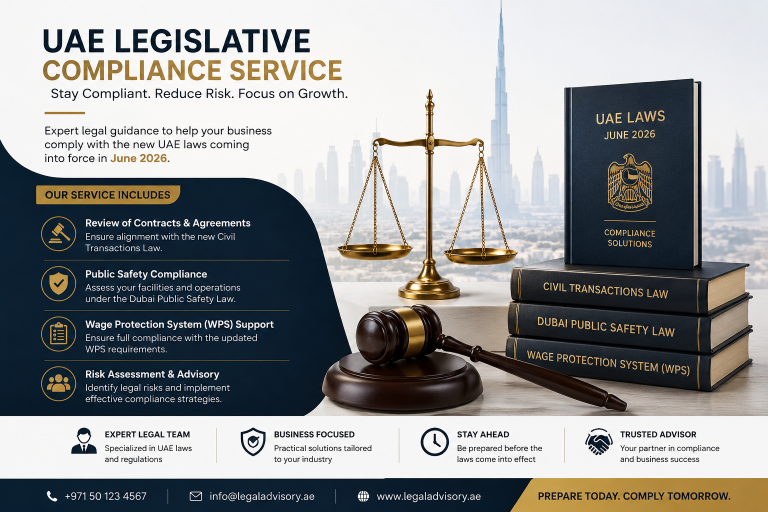
التغييرات التشريعية في دولة الإمارات العربية المتحدة التي تدخل حيز النفاذ في يونيو 2026: قانون المعاملات المدنية، وقانون السلامة العامة في دبي، وتحديثات نظام حماية الأجور
يمثل شهر يونيو 2026 محطة مهمة في المشهد القانوني لدولة الإمارات العربية المتحدة. إذ تدخل حيز النفاذ في 1 يونيو 2026 مجموعة من الإصلاحات التشريعية المهمة، مما يعكس التزام الدولة المستمر بتعزيز منظومتها القانونية، ورفع مستوى السلامة العامة، وتحسين حماية حقوق العاملين. وتشمل هذه التغييرات قانون المعاملات المدنية الإماراتي الجديد، وقانون السلامة العامة في دبي، والتحديثات الخاصة باللوائح المنظمة لنظام حماية الأجور (WPS).
بالنسبة للشركات، والمهنيين القانونيين، وأصحاب العمل، والمستثمرين، وأصحاب المصالح في القطاع العقاري، فإن فهم هذه التطورات التشريعية يُعد أمراً أساسياً لضمان الامتثال وتقليل المخاطر القانونية المحتملة. تستعرض هذه المقالة أبرز التغييرات القانونية وآثارها العملية على مختلف القطاعات.
لماذا يُعد شهر يونيو 2026 مهماً للتشريعات في دولة الإمارات؟
على عكس المواعيد النهائية التنظيمية أو مراحل الامتثال، تدخل القوانين التي تمت مناقشتها في هذا المقال حيز التنفيذ رسميًا في يونيو 2026. ويُمثل تطبيقها تحولًا كبيرًا في الالتزامات القانونية والمتطلبات التشغيلية عبر دولة الإمارات العربية المتحدة.
التطورات التشريعية الثلاثة الرئيسية هي:
- المرسوم بقانون اتحادي لدولة الإمارات رقم 25 لسنة 2025 بشأن المعاملات المدنية
- قانون دبي رقم 2 لسنة 2026 بشأن السلامة العامة
- القرار الوزاري رقم 340 لسنة 2026 بشأن نظام حماية الأجور (WPS)
وبشكلٍ إجمالي، تعزز هذه القوانين اليقين القانوني، والرفاه العام، وحقوق العمال، مع دعم الأهداف الاقتصادية والحوكمة الأوسع لدولة الإمارات العربية المتحدة.
قانون المعاملات المدنية في دولة الإمارات 2026 – إطار جديد للعلاقات المدنية والتجارية
ما هو قانون المعاملات المدنية الجديد؟
يُعد قانون المعاملات المدنية في دولة الإمارات من أهم القوانين الاتحادية التي تدخل حيز التنفيذ في يونيو 2026. وباعتباره الإطار القانوني الأساسي الذي ينظم العلاقات المدنية، والعقود، والالتزامات، وحقوق الملكية، والمسؤولية، فإن هذا القانون يؤثر على الأفراد والشركات على حد سواء.
ويُشكل هذا التشريع الأساس لكل من:
- تكوين العقود وتفسيرها
- تنفيذ الالتزامات
- التعويضات والأضرار
- المسؤولية المدنية
- حقوق الملكية
- مدد التقادم
- الوسائل والسبل القانونية
التأثير على الشركات والعقود
The new law has particular importance for organizations operating under long-term contractual arrangements, including:
- Construction contracts
- Commercial leases
- Investment agreements
- Supply contracts
- Facility management agreements
- Financing arrangements
Businesses should carefully review existing agreements to determine how the new legal framework may affect ongoing obligations and future disputes.
Compliance Recommendations
Organizations are advised to review:
- Force majeure clauses
- Liability provisions
- Termination rights
- Notice requirements
- Indemnity clauses
- آليات حل النزاعات
Legal departments and law firms should also assess contract templates and internal policies to align with the updated legal framework.
Dubai Public Safety Law 2026 – Strengthening Prevention and Risk Management
Overview of the Public Safety Law
Dubai Law No. 2 of 2026 introduces a comprehensive public safety framework aimed at protecting lives, property, and public facilities throughout the Emirate.
The law applies to:
- Public venues
- Entertainment facilities
- Event locations
- Commercial buildings
- Residential properties
- Free zones and special development areas
Key Objectives of the Law
The legislation seeks to:
- Enhance public safety standards
- Reduce accidents and prevent risks
- Improve oversight and enforcement
- Protect consumers and visitors
- Support Dubai’s tourism and entertainment sectors
Unlike traditional safety regulations, the law adopts a proactive and preventative approach rather than relying solely on post-incident enforcement.
Practical Impact on Property Owners and Operators
The law may affect:
- Building owners
- Shopping mall operators
- Event organizers
- Facility management companies
- Entertainment venue operators
- Service providers
Organizations should review:
- Emergency evacuation plans
- Safety inspection certificates
- Fire protection systems
- Warning signage
- Occupancy limits
- Maintenance procedures
- Accessibility measures
Failure to comply may result in administrative penalties and could potentially influence civil liability claims following accidents or safety incidents.
UAE Wage Protection System Updates 2026
What Is Changing?
Ministerial Resolution No. 340 of 2026 introduces updates to the UAE Wage Protection System (WPS), which plays a crucial role in ensuring employees receive wages accurately and on time.
The WPS remains one of the UAE’s most important labor compliance mechanisms and supports transparency in employer-employee relationships.
Why the Changes Matter
The updated regulations reinforce the principle that wage payment is not merely a contractual obligation but also a regulated compliance requirement.
Non-compliance may impact:
- Company labor records
- Government transactions
- Regulatory standing
- Employee relations
- Potential labor disputes
Industries Most Affected
The changes are especially relevant for:
- Construction companies
- Security service providers
- Hospitality businesses
- Retail operators
- Logistics companies
- Maintenance and facility management firms
Employers should review payroll systems, cash flow planning, and banking arrangements to ensure full compliance.
Key Compliance Actions for Businesses Before June 2026
To prepare for the legislative changes, organizations should:
- Review existing contracts under the new Civil Transactions Law.
- Update safety policies and risk management procedures.
- Conduct public safety audits for buildings and facilities.
- Review payroll processes and WPS compliance.
- Train legal, HR, and operational teams on the new requirements.
- Seek legal advice where necessary to manage transitional issues.
Early preparation can help businesses avoid compliance risks and ensure a smooth transition when the laws take effect.
خاتمة
بالنسبة للشركات، والمهنيين القانونيين، وأصحاب العمل، والمستثمرين، وأصحاب المصالح في القطاع العقاري، فإن فهم هذه التطورات التشريعية يُعد أمراً أساسياً لضمان الامتثال وتقليل المخاطر القانونية المحتملة. تستعرض هذه المقالة أبرز التغييرات القانونية وآثارها العملية على مختلف القطاعات.
الأسئلة الشائعة
When do the new UAE legislative changes take effect?
The UAE Civil Transactions Law, Dubai Public Safety Law, and updated Wage Protection System regulations all come into force on 1 June 2026.
Who is affected by the new Civil Transactions Law?
The law affects individuals, companies, investors, landlords, tenants, contractors, and anyone involved in contractual or civil legal relationships.
Does the Dubai Public Safety Law apply to private businesses?
Yes. The law applies to many private-sector entities, including building operators, event organizers, entertainment venues, and commercial facilities.
Why is the Wage Protection System important?
The WPS helps ensure employees receive wages on time and enables authorities to monitor compliance with labor regulations.
What should businesses do before June 2026?
Businesses should review contracts, safety procedures, payroll systems, and internal compliance programs to align with the new legal requirements.