
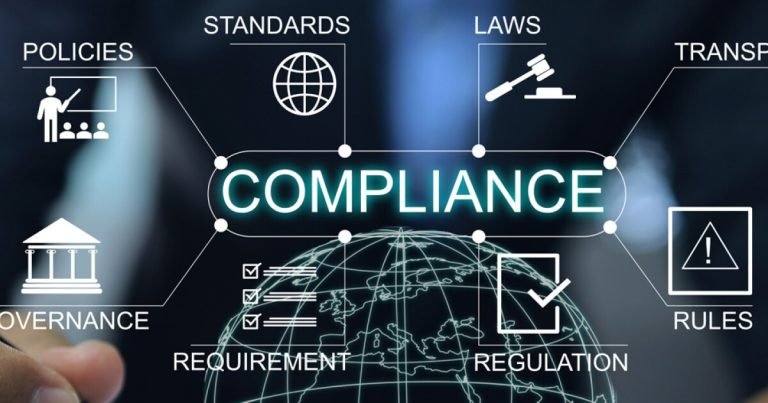
Organization Legal Compliance: Ensuring Regulatory Adherence and Risk Management
Legal compliance is a critical component for any organization aiming to operate responsibly and sustainably. Organization legal compliance refers to the process by which companies adhere to laws, regulations, and internal policies that govern their business activities. Failure to comply can result in severe financial penalties, legal disputes, and reputational damage.
Importance of Legal Compliance in Organizations
Organizations operate in an increasingly regulated environment. Maintaining compliance is essential for several reasons:
Risk Mitigation: Compliance programs help identify and prevent potential violations that could lead to fines or lawsuits.
Reputation Management: Organizations that follow regulations build trust with customers, investors, and stakeholders.
Operational Efficiency: Monitoring compliance ensures that internal processes align with legal requirements, reducing errors and redundancies.
Ethical Standards: Legal compliance reinforces a culture of accountability, transparency, and ethical business conduct.
Organization Legal Compliance By proactively managing compliance, organizations protect themselves from legal, financial, and operational risks.
Key Areas of Organization Legal Compliance
1. Regulatory Compliance
This includes adherence to industry-specific regulations, such as labor laws, environmental standards, data protection, and financial reporting requirements.
2. Internal Policy Compliance
Companies implement internal rules, codes of conduct, and operational procedures. Regular audits ensure employees follow these guidelines consistently.
3. Contractual Compliance
Organizations must honor contractual obligations with partners, suppliers, and clients. Monitoring compliance reduces the risk of disputes and litigation.
4. International Compliance
For multinational organizations, compliance involves adhering to laws across multiple jurisdictions, including international treaties and trade regulations.
The Legal Compliance Process
Assessment: Identify all applicable laws, regulations, and internal policies.
Policy Development: Draft clear policies and procedures to ensure compliance.
Training: Educate employees on legal requirements and company policies.
Monitoring: Implement regular audits and checks to assess adherence.
Reporting: Document findings and report compliance issues to management.
Corrective Actions: Take immediate steps to address violations and prevent recurrence.
Organization Legal Compliance This structured approach helps organizations maintain ongoing compliance and minimize legal risks.
Benefits of Organization Legal Compliance
Reduced Legal Risks: Avoid fines, penalties, and lawsuits.
Enhanced Credibility: Build trust with regulators, clients, and stakeholders.
Efficient Operations: Align processes with legal requirements for smoother workflows.
Employee Accountability: Foster a culture of responsibility and ethical conduct.
Sustainable Growth: Compliance supports long-term success and investor confidence.
Challenges in Maintaining Legal Compliance
Complex Regulations: Constantly changing laws can be difficult to track.
Resource Constraints: Compliance programs require time, personnel, and financial investment.
Global Operations: Managing compliance across multiple countries adds complexity.
Resistance to Change: Employees may resist new policies or training initiatives.
Organizations must implement robust systems and provide adequate support to overcome these challenges.
Conclusion
Organization Legal Compliance is not merely a legal obligation; it is a strategic business practice. Organizations that implement comprehensive compliance programs reduce risk, enhance their reputation, and ensure sustainable growth. By continually monitoring regulations, training staff, and auditing internal processes, companies can operate ethically and remain competitive in today’s complex regulatory landscape.